



Most EV batteries in Australia are lasting a lot longer than the sceptics expect. The largest real-world study going, tracking more than 22,700 electric vehicles, found packs lose an average of 2.3% of their capacity each year. At that rate, a battery still holds around 81.6% of its original capacity after eight years. Put simply: the battery is likely to outlast the car it's bolted into.
That's the short answer. Here's what actually drives that number, what your warranty covers, and what to check before buying a used EV.
How much does an EV battery actually degrade each year?
Telematics company Geotab has run this study three times now, most recently across 21 models and 22,700 vehicles. The average annual degradation rate came in at 2.3%, a touch higher than the 1.8% recorded in the company's 2024 study. That's not batteries getting worse. The newer study included more recent models, which tend to show a small, normal capacity dip in their first months on the road before the rate settles down.
For context, separate data from EV tracking firm Recurrent puts the battery replacement rate for 2022-and-newer models at just 0.3%. Full pack failures remain rare.
What do EV battery warranties cover in Australia?
Every EV sold new in Australia carries a separate warranty for the high-voltage battery, on top of the whole-of-vehicle warranty. Coverage is usually framed as years, kilometres, and a minimum capacity threshold (typically 70%) that the battery must stay above.
| Brand | Battery warranty | Minimum capacity guarantee |
|---|---|---|
| Tesla (Model 3/Y, RWD) | 8 years / 160,000km | 70% |
| Tesla (Model 3/Y, Long Range & Performance) | 8 years / 192,000km | 70% |
| BYD | 8 years / 160,000km | 70% |
| Hyundai | 8 years / 160,000km | Not separately specified by Hyundai AU |
| Kia (Niro, EV6, EV9) | 7 years / 160,000km | 70% |
| MG | 7 years / 150,000km standard, extendable to 10 years / 250,000km if serviced through an MG dealer | Not separately specified by MG AU |
A word of caution on that last row: MG's battery warranty terms have shifted more than once in the past two years, and its own web pages aren't fully consistent on the exact kilometre figure. Confirm the current terms directly with an MG dealer at the time of purchase rather than relying on any article, including this one.
What actually speeds up battery wear?
Geotab's data points to one factor above all others: charging power. Vehicles that regularly used DC fast chargers above 100kW degraded at up to 3.0% a year, roughly double the rate of vehicles charged mostly on AC or lower-power DC. Regularly sitting at very high or very low states of charge for long periods also accelerated wear, though moderate day-to-day use across a wide charge range didn't make much difference.
Fast charging isn't going to ruin a battery. But if road-tripping on 150kW-plus chargers is a weekly habit rather than an occasional one, expect wear on the faster end of the range.
Does Australia's climate wear batteries out faster?
Heat matters, but less than charging habits. The same Geotab data found vehicles in hotter regions degraded around 0.4% a year faster than those in milder climates. That's a global figure, not an Australia-specific study, so treat it as a general trend rather than a local guarantee. Still, it's worth factoring in if the car spends summer parked outside in Darwin or western Sydney rather than a garage in Hobart.
Modern EVs manage this with active battery thermal management as standard, which does most of the work for you. The simplest thing an owner can do is avoid leaving the car sitting at 100% charge in the heat for extended periods.
How can I check the battery health on a used EV before buying?
Ask for a State of Health (SOH) reading, a percentage showing how much of the original capacity remains. A car's own dashboard readout isn't reliable enough on its own to base a purchase decision on.
Independent EV battery inspection services now operate in most Australian capital cities, using diagnostic tools such as AVILOO to produce a certified SOH report. Typical cost runs from around $150 to $400, mobile inspection included. Compared with a possible five-figure repair bill, it's a small outlay for real peace of mind on a used EV.
It's also worth pairing a battery check with a standard PPSR search to confirm the car isn't written off or still has finance owing. The two checks answer different questions, and neither substitutes for the other.
How much does it cost to replace an EV battery in Australia?
This varies enormously by model, and estimates from Australian inspection and valuation firms range from roughly $8,000 up to $30,000 or more for a full pack replacement. Cell prices have been falling globally, but the total cost to Australian owners also includes labour, freight, and import logistics, which keep local figures higher than raw cell pricing would suggest.
The more useful number is the risk, not the price tag. With 7 to 10-year warranties now standard across the market and real-world failure rates sitting well under 1%, a full battery replacement remains an unlikely event for most owners inside the warranty period.
FAQ
Do EV batteries need replacing after the warranty period ends?
No. The warranty guarantees a minimum capacity threshold, not a use-by date. Most batteries keep performing well beyond it.
Does fast charging ruin an EV battery?
Not outright, but frequent high-power DC fast charging measurably speeds up degradation compared with AC or lower-power charging.
Does fast charging ruin an EV battery?
Not outright, but frequent high-power DC fast charging measurably speeds up degradation compared with AC or lower-power charging.
Which EV brand currently offers the best battery warranty in Australia?
Can I check a used EV's battery health before buying?
Yes. Independent State of Health inspections are available in most capital cities from around $150 to $400, and are worth doing before any used EV purchase.
 Dylan Anderson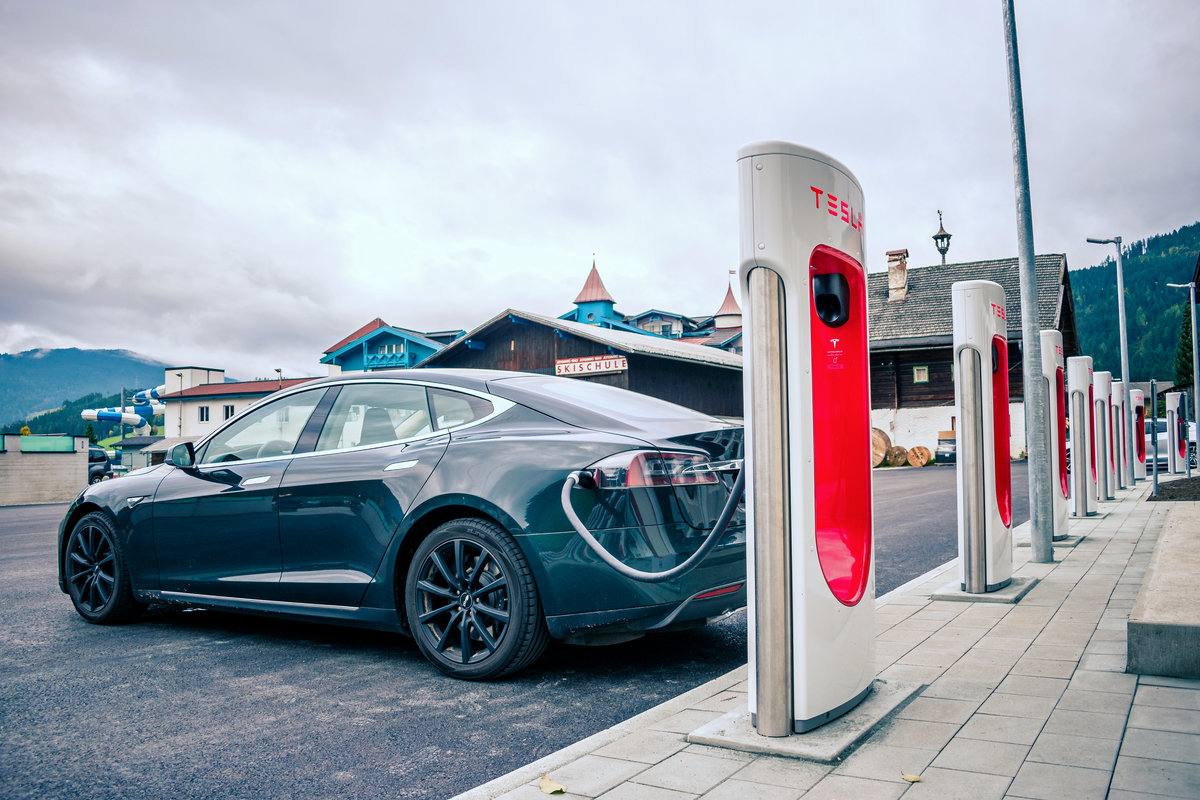


Discussion