



Anyone who drives regional NSW at dawn or dusk knows the gut-drop moment of a kangaroo in the headlights. Now drivers on the Monaro Highway near Cooma are the first in the state to trial a system built to spot wildlife and warn them before it is too late. The NSW Government announced the trial on 18 July 2026.
The technology is called the Protective Animal Warning System, or PAWS. Heat-sensing and optical cameras scan the roadside, and an AI model trained to recognise kangaroos, deer and wombats works out what is there. When it detects an animal on or near the road, smart signs light up in real time to warn drivers of animals ahead.
 Dylan Anderson
How PAWS was built
Transport for NSW technology and biodiversity specialists developed the system through 2025. They trained the AI using wildlife movement data and imagery, including work at Transport's Yennora facility and a collaboration with Symbio Wildlife Park north of Wollongong. Cameras there captured how different species move, then that was combined with time of day and weather data to sharpen the system's accuracy in real conditions.
The Monaro Highway site marks the shift from lab testing to a live roadside trial. It runs alongside existing measures like fencing, wildlife crossings and vehicle activated signs.
What it means for Monaro drivers
If you drive the Monaro, the payoff is simple. A lit-up sign gives you a heads-up that an animal is nearby, right when it counts. As Member for Monaro Steve Whan put it, "Even a few extra seconds of warning can make a real difference."
The stretch near Cooma was picked for good reason. High speeds, limited lighting and steady animal movement make crashes more likely, especially around dawn and dusk. And the problem is far from small. Since 2012, more than 100,000 animal roadkill or injury reports have been logged in the NSW BioNet database, and the surrounding Capital Region records about a quarter of the state's wildlife collisions, more than any other part of NSW.
The money and what comes next
The trial grew out of a $500,000 NSW Government commitment to investigate emerging technology for cutting wildlife strikes, one of the recommendations from the 2024 Wildlife Symposium in Sydney. Roads Minister Jenny Aitchison said the project is about "using innovative technology to make regional roads safer by giving drivers real-time warnings when wildlife is detected nearby."
Transport for NSW will monitor how PAWS performs on the Monaro before deciding whether to roll it out to other high-risk roads across the state.
Source: NSW Government
 Dylan Anderson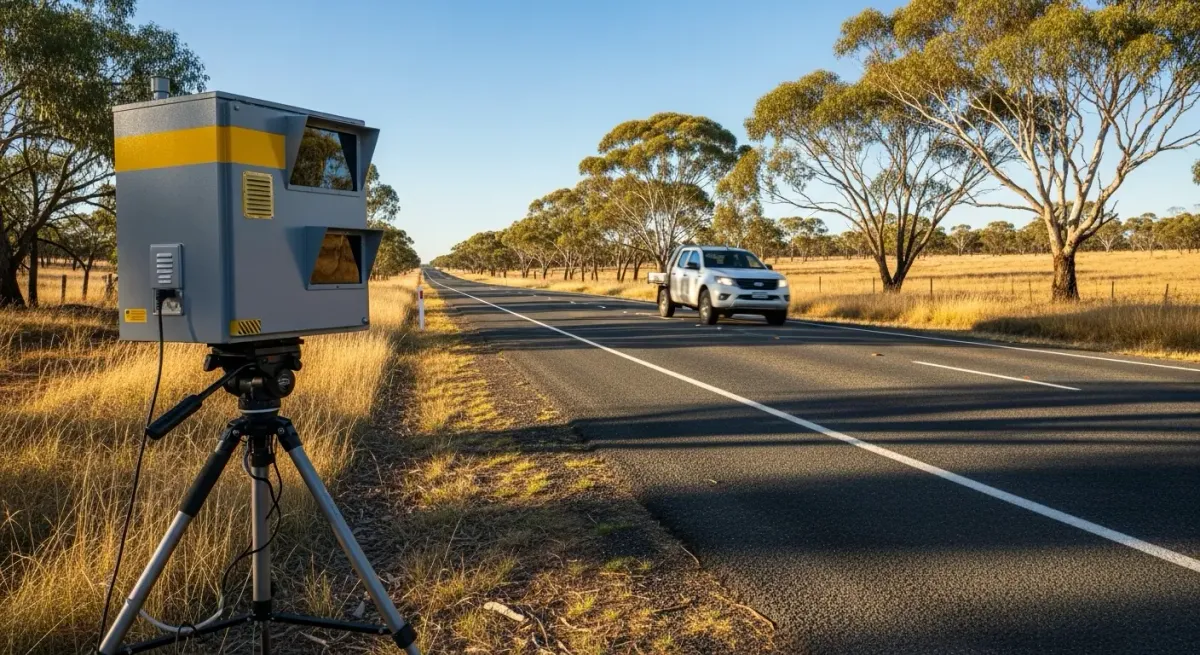


Discussion